
Last updated November 20, 2026
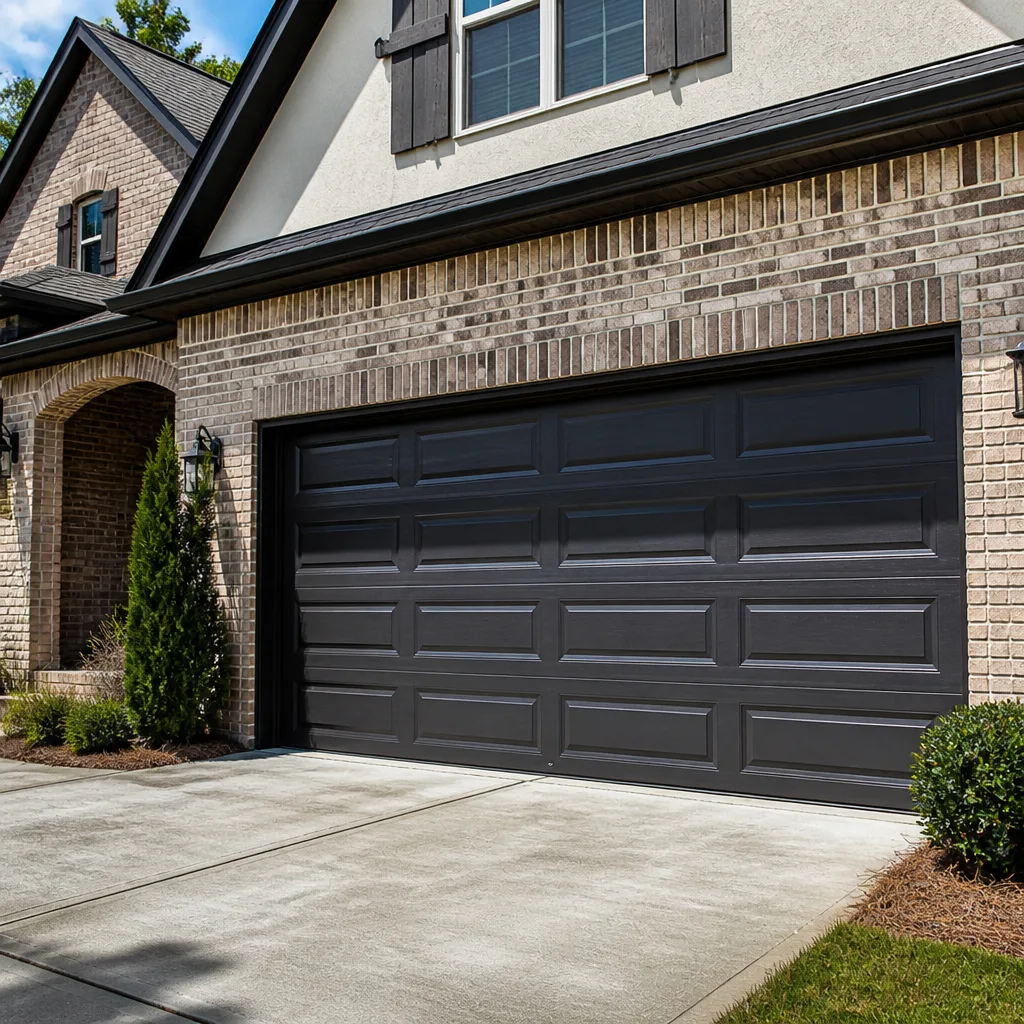 Raised-panel steel
 Carriage house
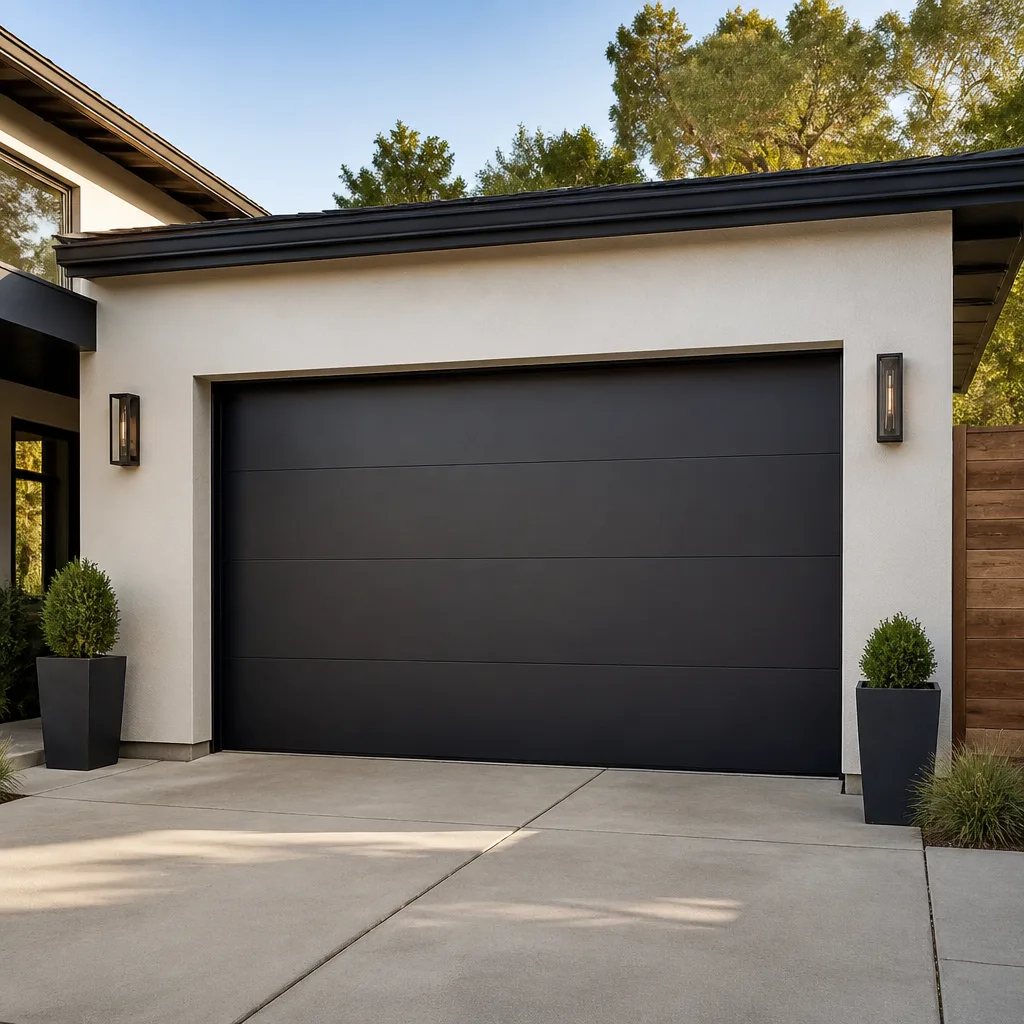 Modern flush
 Full-view glass
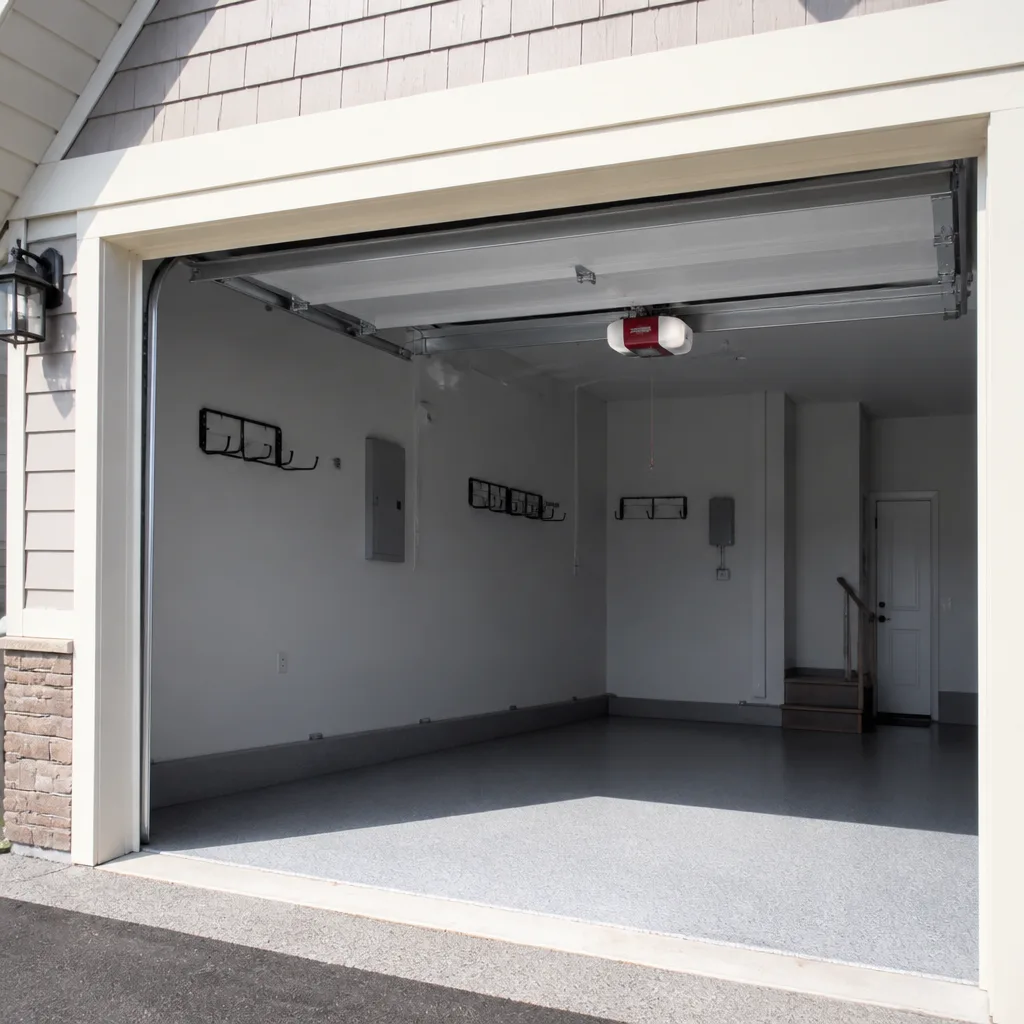 LiftMaster openers
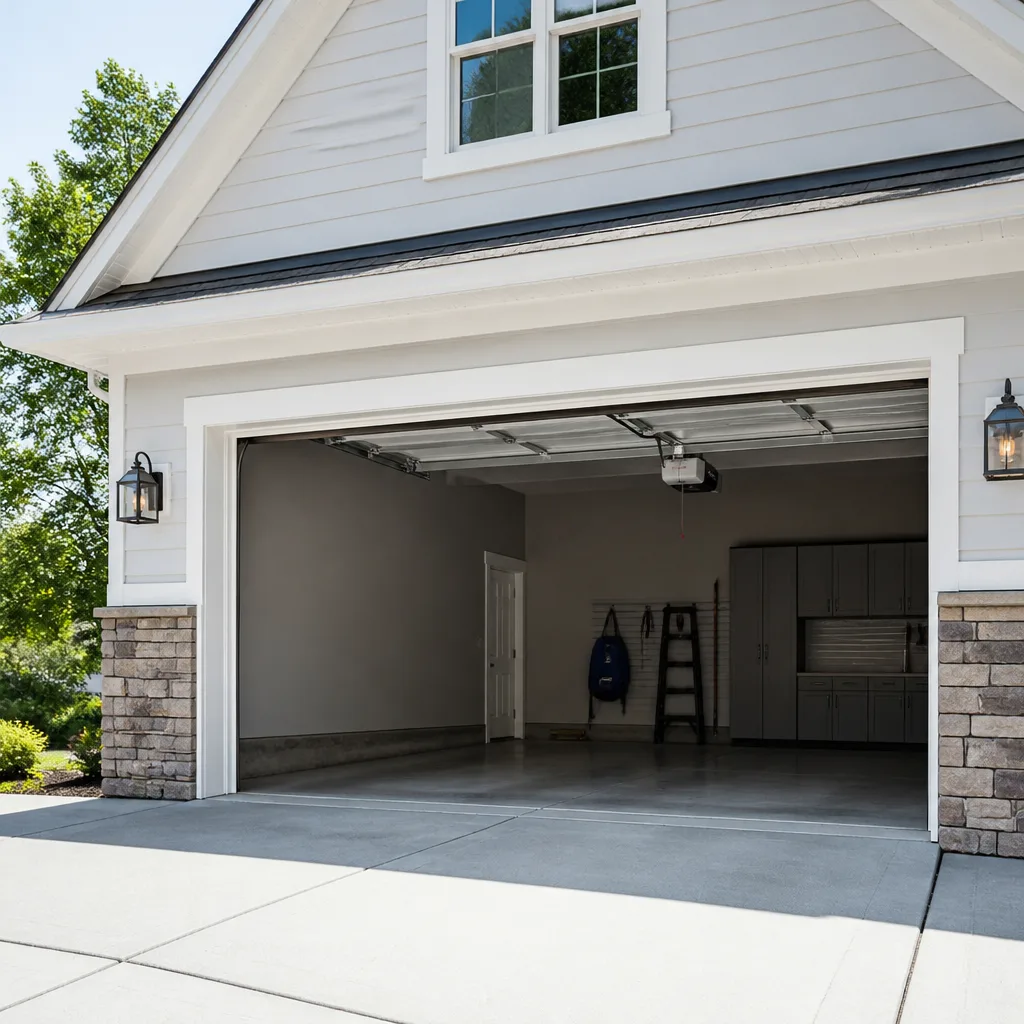 Chamberlain openers
Full 25-point door and opener safety check with every visit - springs, cables, rollers, tracks, and your LiftMaster or Chamberlain opener included
You get a price before we start. It does not change when the pro arrives.
Get your free estimateGarage Door Warning Signs: A Stamford Homeowner’s Reference Guide
A garage door makes a noise, and most homeowners do one of two things: ignore it until something fails, or call the first number they find and hope the diagnosis is right. Both are expensive. Here’s the problem with warning signs. A grinding noise from the opener and a grinding noise from the tracks are both “grinding,” but one points to a worn gear inside the motor and the other to a bent track. Same word, two very different repairs. Misreading a symptom sends you down the wrong path and wastes money. In this Stamford guide, we walk through how to decode the noises, visual signs, and movement problems your door is throwing at you, so you can tell the difference and have an informed conversation with whoever fixes it.
Styles & brands we work with
- Raised-panel steel
- Carriage house
- Modern flush
- Full-view glass
- LiftMaster openers
- Chamberlain openers
Quick Answer
The most common garage door warning signs are unusual noises (grinding, squeaking, banging, clicking), a door that moves slowly or jerks, visible rust or gaps in the springs and cables, and a door that won’t close all the way. In Stamford, cold winters make spring and cable failures more likely, so any sudden change in how your door sounds or moves during the coldest months deserves a closer look. Signs that involve springs, cables, or a door that drops fast need same-day attention; cosmetic noises can usually wait for a scheduled appointment.
Table of Contents
- The Symptom-to-Cause Matrix: What Each Noise Is Telling You
- Visual Signs of Impending Spring or Cable Failure
- Is It a Spring, a Roller, or the Opener? Reading a Slow or Jerky Door
- Same-Day vs. Schedule-Within-Two-Weeks: Knowing Which Signs Urgent
- How Stamford’s Cold Winters Create Warning Signs You Won’t See Elsewhere
- Brand-Specific Signs: LiftMaster, Chamberlain, Genie, and Clopay
- A 10-Minute Walkaround You Can Do Yourself
- Common Mistakes to Avoid
- When to Call a Professional
- Frequently Asked Questions
- The Bottom Line
The Symptom-to-Cause Matrix: What Each Noise Is Telling You
Here’s the core idea of this guide: noise is information, but only if you know where it’s coming from and when it happens. The location and timing of a sound narrows down the probable cause. Strips of white lubricant on a torsion tube mean someone serviced it recently. A single bang at the end of the door’s travel often points to a spring issue. A grind that only happens mid-travel usually comes from rollers or tracks. That level of detail is what turns a vague complaint into a specific repair.
Grinding
- From the opener housing (top center, above the door): Usually a worn drive gear or a failing motor bearing. Common on older garage door opener repair jobs where the unit has run for years without service.
- From the tracks (left or right side walls): Rollers with worn bearings, bent track sections, or debris in the channel. A track that’s been hit by a car bumper is one of the most common causes in Stamford.
- From the hinges (where the vertical and horizontal panels meet): Dry or seized hinges. Often solved with lubrication, but if the metal is worn, replacement is the fix.
Squeaking
Squeaking is the least urgent and most often ignored sound. It usually comes from dry rollers, a torsion tube that needs grease, or hinges that have lost their factory lubricant. Left alone, squeaking wears the parts faster and can turn into a grinding sound weeks later. Most squeaks resolve with a proper lubrication service.
Banging
A single loud bang at the moment the door reaches its highest or lowest point usually points to spring tension. On torsion systems, a broken spring releases all its energy at once, and that bang is the sound of the winding cone letting go. If you hear it, don’t run the door again until a technician looks at it.
Clicking
Clicking during travel is often the opener’s safety sensor, a loose rail, or a damaged gear tooth. On a LiftMaster or Chamberlain opener, a single click sound at the same spot in the travel is usually the encoder or travel limit needing adjustment. Multiple clicks point to a mechanical issue inside the unit.
Visual Signs of Impending Spring or Cable Failure
Springs and cables hold the weight of the door. They fail under tension, and a failure while someone is standing under the door can cause serious injury. A trained technician can spot a spring that’s days away from failing before it does. Here’s what to look for in a visual inspection from a safe distance. Do not touch, prod, or attempt to adjust any spring or cable. Just look.
Spring Signs
- Rust patches: A brown or orange rust streak along a torsion spring or on the winding cone. Rust attacks the steel where it flexes most, and a rusted spring is a weakened spring.
- Visible gap: A torsion spring broken in two shows a visible gap, usually where the door has stopped moving. Extension springs that have snapped often dangle from their safety cables.
- Stretched coils: Springs with coils spread wide apart compared to the others in the same assembly have lost tension and are near the end of their service life.
- Winding cone movement: If the winding cone at either end of a torsion spring looks like it has shifted or shows fresh metal, the spring is a real risk.
Cable Signs
- Fraying: Frayed strands on the drum side of the cable usually point to a worn drum or a cable that’s been running off-track.
- Hanging slack: A cable that’s hanging loose when the door is closed means the drum has lost tension. Running the door in this condition can fling the cable loose, which is why we tell Stamford homeowners to stop using the door immediately.
- Rust at the drum: Rust where the cable wraps around the drum can eat into the wire, and a weakened wire is one of the most common failure points.
For a proper look at spring condition, call us for garage door spring repair. We do this on every visit, and we can tell you what’s nearing the end of its life without guessing.
Is It a Spring, a Roller, or the Opener? Reading a Slow or Jerky Door
A door that moves slowly or jerks can have three very different causes, and the fix depends on which one is at work. A slow door that goes down faster than it goes up points to spring tension. A jerky door that runs smoothly for part of the travel and then stutters points to rollers or a bent track. A door that hesitates at both ends of its travel points to the opener’s force settings or a worn gear. Cross-referencing the movement pattern with where it happens is the fastest way to narrow it down.
Numbered diagnostic steps you can take
- Stand at the center of the door and watch it travel up. If the door rises more slowly than it did six months ago but goes down at the same speed, suspect spring tension. If it rises at the same speed but hesitates at the top, suspect the opener.
- Watch the top edge of the door as it moves. A door that shifts left or right as it rises is running on worn rollers or a bent vertical track.
- Listen at the very start of travel. A thunk or pop at the moment the opener engages is usually a stripped gear in the opener, not the door itself.
- Pull the manual release handle (only when the door is fully closed). Without the opener attached, a door should lift with steady resistance. If it feels extremely heavy, spring tension is the problem. If it lifts easily but wobbles, rollers or tracks are the issue.
- Check the safety sensors. Two small lenses at the bottom of the tracks. If either LED is flickering or off, the opener’s logic is fine but the safety circuit is failing. On Genie and Chamberlain systems, this often looks like a door that runs a few inches and reverses.
If the third or fourth step points to the opener, that’s the moment to stop and call us about garage door opener repair. Diagnosing an opener from the outside is limited; a technician has the test equipment to confirm which component is failing.
Same-Day vs. Schedule-Within-Two-Weeks: Knowing Which Signs Are Urgent
Not every warning sign is a same-day emergency, and treating every noise as urgent leads to panic. The rule of thumb: signs that affect weight, balance, or a door’s ability to stay down get same-day attention. Signs that affect cosmetics, speed, or smoothness can wait for a scheduled appointment within two weeks. The difference matters because it tells you whether to call now or book for later in the week.
Signs that need same-day attention
- A loud bang followed by a door that won’t open, or one side of the door dropping.
- A door that falls fast when the opener engages, or one that won’t stay closed on its own.
- Visible spring breakage, a hanging cable, or a door stuck open (a security risk in Stamford neighborhoods where a garage is a primary entry point).
- A door with panels that have separated from the hinge line, which can injure someone standing under it.
- An opener that runs but the door doesn’t move, or one that smokes or smells like burning.
Signs that can wait for a scheduled appointment
- Squeaking hinges or rollers that still run smoothly.
- A door that vibrates or wobbles slightly at the top but still travels evenly.
- Cosmetic cracks in the bottom panel or a dent from a bumper.
- A safety sensor that needs realigning.
- A remote that works intermittently but the wall button works fine.
If you’re not sure which category your symptom falls under, call it in. We’d rather tell you it can wait than have you guess. Our Garage Door Repair Stamford Pros team is set up to handle both scheduled service and same-day calls, and we won’t push a repair you don’t need yet.
How Stamford’s Cold Winters Create Warning Signs You Won’t See Elsewhere
Cold changes how a garage door behaves. In our experience, most of the emergency calls we handle in Stamford during January and February involve a component that was already showing signs of wear in November. The cold didn’t break it. It finished it off. Homeowners who noticed the warning signs earlier and scheduled a repair on their own timeline often avoid the emergency call altogether.
What the cold does to each component
- Springs lose tension: Steel becomes less ductile at low temperatures. A spring that’s near the end of its service life will often snap on the first cold morning after a frost, because that’s when the tension and the cold combine.
- Cables stiffen: Lubricant thickens, cables bind against the drums, and the result is uneven travel that can lead to a cable jumping a drum.
- Rollers freeze up: Plastic rollers can crack, and steel rollers can seize. Both create the grinding or jerking symptoms that look like an opener problem but aren’t.
- Weather seals shrink: The bottom seal on the door can crack and pull away from the panel, which shows up as a small gap at the bottom of the door when it’s closed. That’s not just a draft, it’s a warning that the seal needs replacing before spring rain gets in.
- Panels separate at the seams: Wood and composite doors in Stamford are especially prone to panel movement in the winter because the wood expands and contracts with the humidity swings more than steel.
What to do in November
The change of season is a good time for a walkaround. Check the springs for rust, the cables for fraying, and the rollers for grinding. Lubricate moving parts while the temperature is mild. A door that’s healthy going into winter is much less likely to fail on the coldest morning of the year.
Brand-Specific Signs: LiftMaster, Chamberlain, Genie, and Clopay
Different brands fail in different ways, and knowing what your unit is doing tells us a lot before we even arrive. We’re factory-familiar with the eight leading brands in the industry, including LiftMaster, Chamberlain, Genie, Clopay, Amarr, Wayne Dalton, Craftsman, and Raynor. A technician who knows your brand can often diagnose the problem on the phone, then show up with the right part.
LiftMaster and Chamberlain
Both brands share most of their internal components, so the signs are similar. A click-and-reverse pattern at the bottom of the door usually means the safety sensor is out of alignment or the down-limit switch needs adjusting. A grinding noise from the top of the opener that only happens when the door engages usually means a worn gear inside the unit. The motor runs but the door doesn’t move, which is the classic signature of a stripped gear.
Genie
Genie units tend to lose remote range before they fail entirely, which is a useful warning sign. If remotes work only when you’re close to the door, the opener’s logic board is likely on its way out. The chain drive on many Genie models also wears faster than belt drive, so a rhythmic clicking that speeds up with travel speed usually points to the chain sprocket.
Clopay
Clopay doors fail in characteristic ways too. Steel panels can show ripple deformation along the bottom edge if the door has been operated with a failing spring for a while, because the unbalanced weight twists the panel. The bottom seal on a Clopay can dry out faster than others in cold climates, and you’ll see small cracks along the seal’s surface.
Whatever brand you have, the diagnosis is faster when we know what we’re looking at. We service every major brand and keep our garage door repair work centered on getting the right part the first time.
A 10-Minute Walkaround You Can Do Yourself
The best warning sign is one you notice before it becomes a failure. This walkaround is safe to do, requires no tools, and takes about ten minutes. It doesn’t replace a professional inspection, but it lets you catch problems while they’re still small.
- Stand outside the door when it’s fully closed. Look for gaps at the bottom, doors that tilt slightly to one side, and panels that don’t line up.
- Run the door up and watch the whole travel. It should move smoothly at a steady speed. Any hesitation, jerk, or slowdown is worth noting.
- Listen from the center of the garage. Note whether the sound comes from the opener housing, the tracks, the hinges, or the springs.
- Look at the springs. From a safe distance, check for rust, gaps, and stretched coils. Don’t touch.
- Look at the cables. Check for fraying, hanging slack, and rust at the drum. Don’t touch.
- Test the safety reversal. Place a roll of paper towels under the door, close it, and watch for the door to reverse when it contacts the roll. If it doesn’t, the safety system needs service.
- Test the manual release. Only when the door is closed. Pull the handle and lift the door about a foot. It should feel manageable. If it’s heavy, the springs are the problem.
Common Mistakes to Avoid
- Ignoring a single loud bang. A bang at the top or bottom of travel is often the sound of a spring letting go. Treat it as a hard stop until a technician looks at it.
- Assuming every noise needs the opener replaced. A grinding sound from the tracks is not an opener problem, and replacing the opener won’t fix it. Diagnose before you buy.
- Assuming every noise needs the door replaced. Squeaking hinges and worn rollers are cheap fixes. A new door for a door that just needs rollers is money lost.
- Using the door after a cable fails. A slack or hanging cable means the drum has lost tension. Running the door can send the cable loose, which can injure someone standing close by.
- Waiting until spring to deal with winter symptoms. Cold weather fatigues parts faster, and a door that’s already struggling will often fail on the next cold morning. Call it in before it does.
- Watching a door drop fast and assuming it’s just the opener. A door that drops fast when the opener engages usually has a spring problem, not an opener problem. The fix is the spring, not the motor.
- Buying a new opener without checking the force settings. Some doors are slow or jerky because the opener’s force settings need adjustment. That’s a service call, not a replacement.
When to Call a Professional
Call us for same-day service if a door won’t close, won’t stay closed, has a visible spring or cable failure, or has a panel that’s separating from the hinge line. Those are real safety issues and the door shouldn’t be used. For slower symptoms – a squeak, a wobble, a door that’s getting sluggish, a remote that only works up close – a scheduled appointment is enough, and waiting a week or two is fine as long as the door still runs smoothly. Garage Door Repair Stamford Pros offers free estimates in Stamford, and we’ll tell you what’s urgent and what can wait. Call (855) 658-4183. We answer 24/7. Fast dispatch from 7am to 7pm, Sunday through Friday. Our technicians have up to 10 years of experience, and we work on every major brand.
Frequently Asked Questions
An unusual noise during travel is the single most common warning sign, and grinding (from the tracks or the opener) is the noise homeowners most often describe. Squeaking and banging are the next most common. If you can identify where the noise is coming from and when it happens, you’ll have enough information to have a useful conversation with a technician. Call (855) 658-4183 for a free estimate.
No. Garage door springs are under high tension and can release the entire stored energy of the door in a fraction of a second. A trained technician uses winding bars, correct tools, and specific safety protocols to release and re-tension the spring safely. Replacing a spring yourself is one of the most dangerous DIY repairs in residential construction. Leave it to a professional. Call (855) 658-4183 to book spring repair.
Pull the manual release handle with the door fully closed and lift the door a foot by hand. If it feels very heavy, the springs or cables are the problem. If it lifts easily but wobbles, rollers or tracks are the problem. If it lifts smoothly but the opener struggles, the opener is the problem. Call (855) 658-4183 for a same-day diagnosis.
Call for same-day service first. A stuck-open door in a home where the garage is a primary entry point is a security concern, not just an inconvenience. Until a technician arrives, close the door manually if it can be lifted and held in place, and secure it. Don’t try to force the opener to close it if the motor runs but the door doesn’t move. Call (855) 658-4183. We answer 24/7. Fast dispatch from 7am to 7pm, Sunday through Friday.
Yes. Cold temperatures reduce the ductility of steel springs, thicken cable lubricant, and stiffen or crack plastic rollers, so components that were already near the end of their service life tend to fail on the first cold morning of the year. Seasonal changes are the single biggest cause of winter emergency calls in Stamford. Call (855) 658-4183 to schedule a pre-winter inspection.
The local pros we connect you with are licensed and insured as Connecticut requires. You’ll receive a written estimate with the price confirmed before any work begins, so there’s no guesswork. Call (855) 658-4183 for an exact quote. Estimates are free.
The Bottom Line
Warning signs are only useful if you can read them. The same noise can mean three different things, and the wrong interpretation costs you either a safety risk or a needless repair. Use the symptom-to-cause matrix in this guide to narrow down where a noise is coming from, use the visual check for springs and cables to spot imminent failures, and use the same-day versus scheduled distinction to decide whether to call today or book a service. A 10-minute walkaround every few months catches most problems while they’re still cheap to fix. When in doubt, call a technician. Free estimates, upfront pricing, and a written quote before any work begins.
Call (855) 658-4183 for a free estimate in Stamford. We answer 24/7. Fast dispatch from 7am to 7pm, Sunday through Friday.
Written by the team at Garage Door Repair Stamford Pros.
See the difference
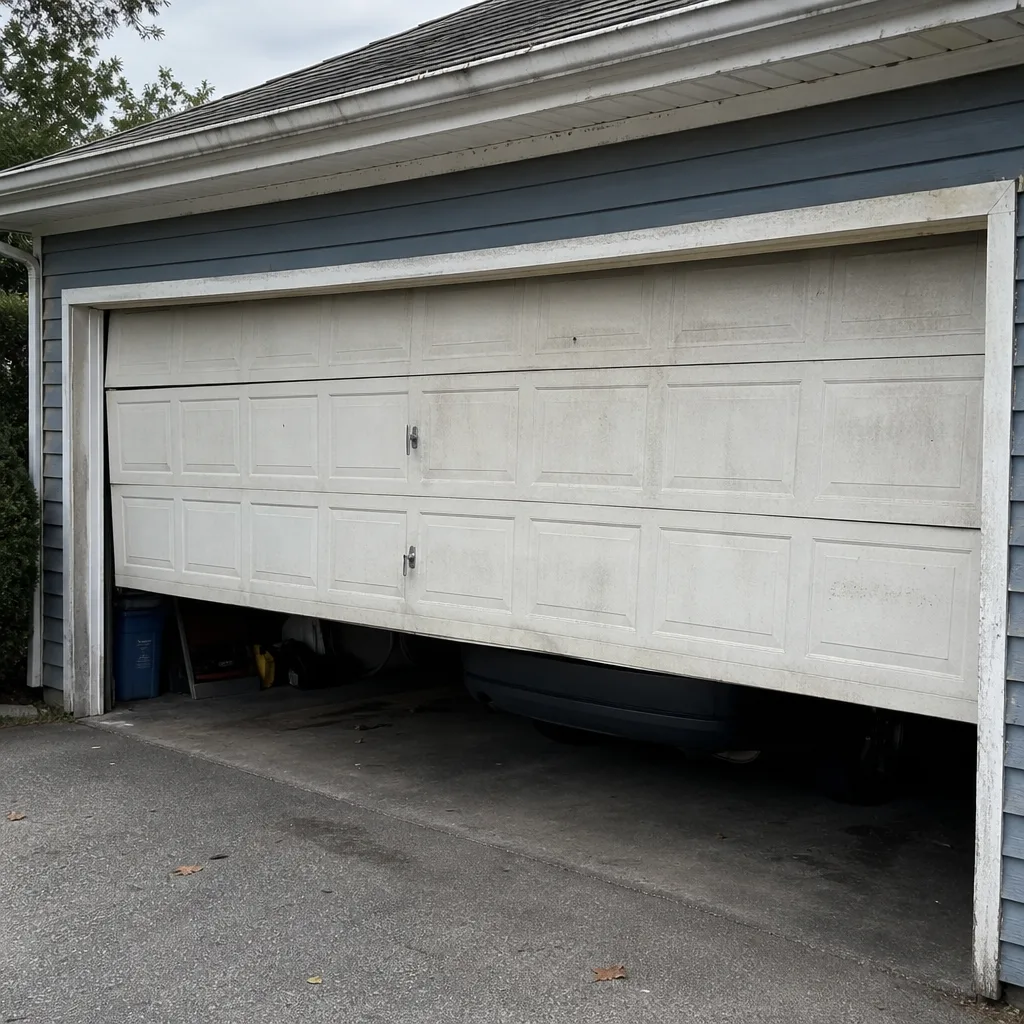 Before
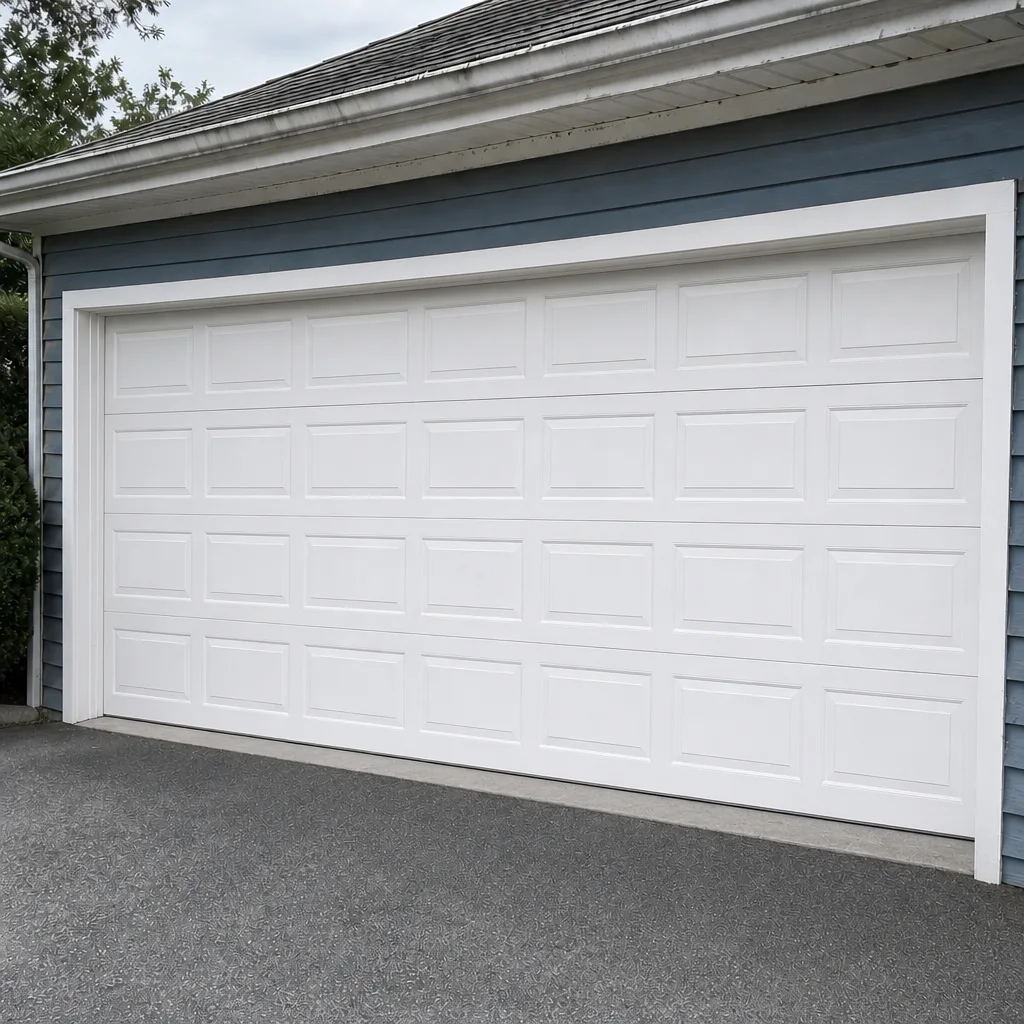 After
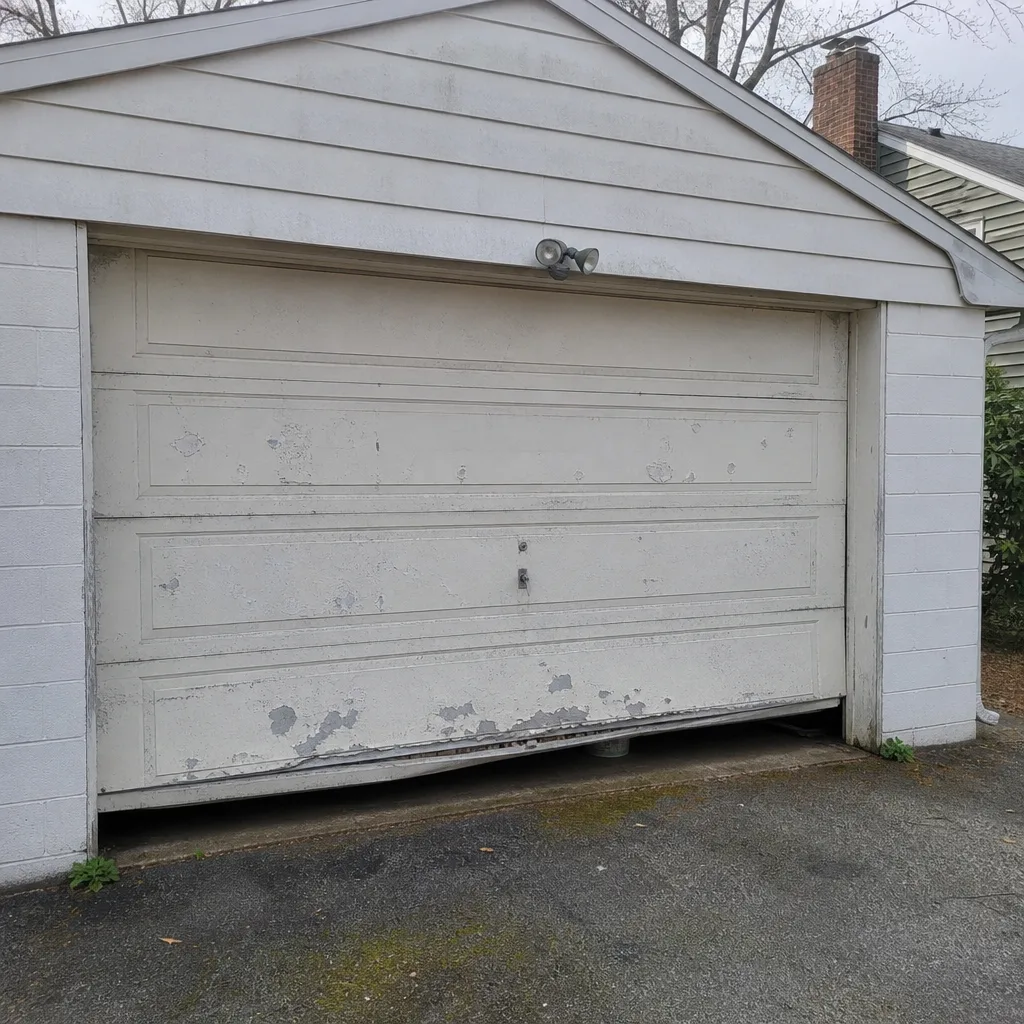 Before
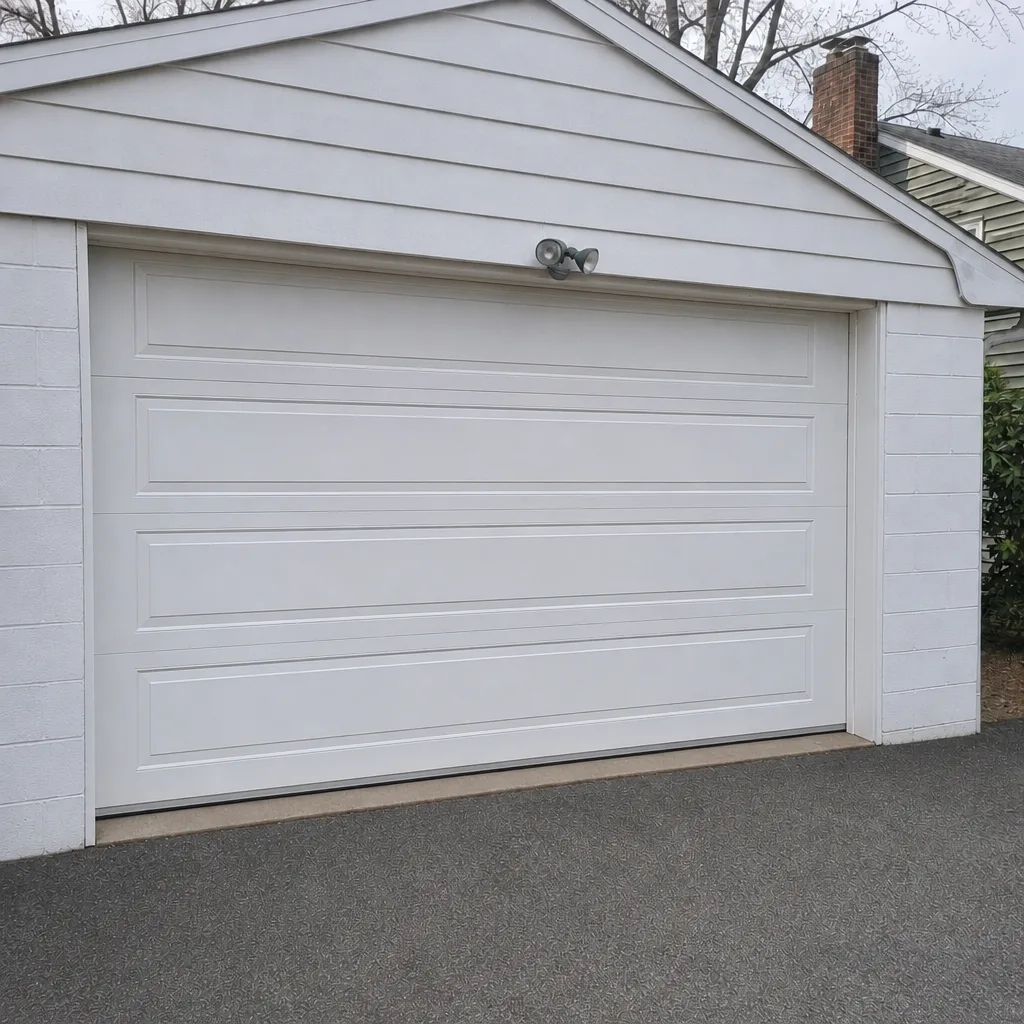 After
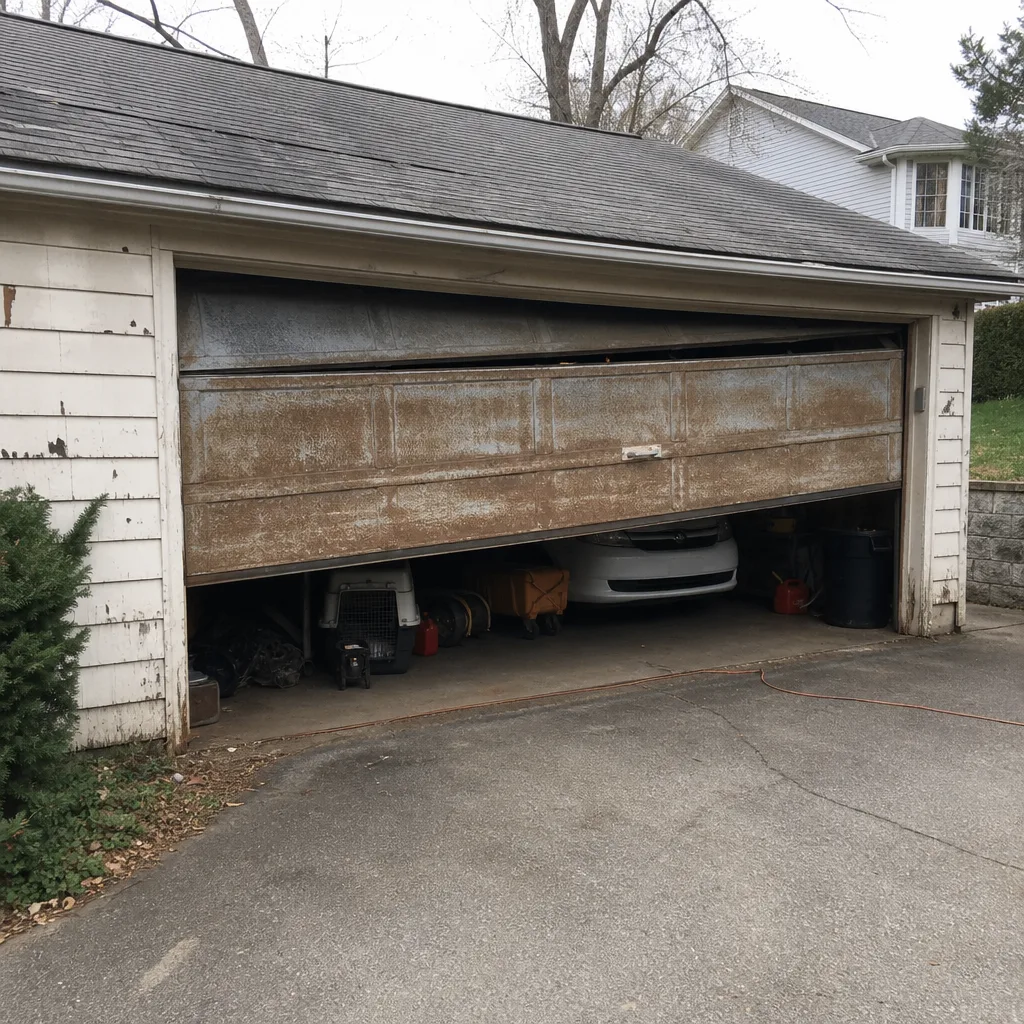 Before
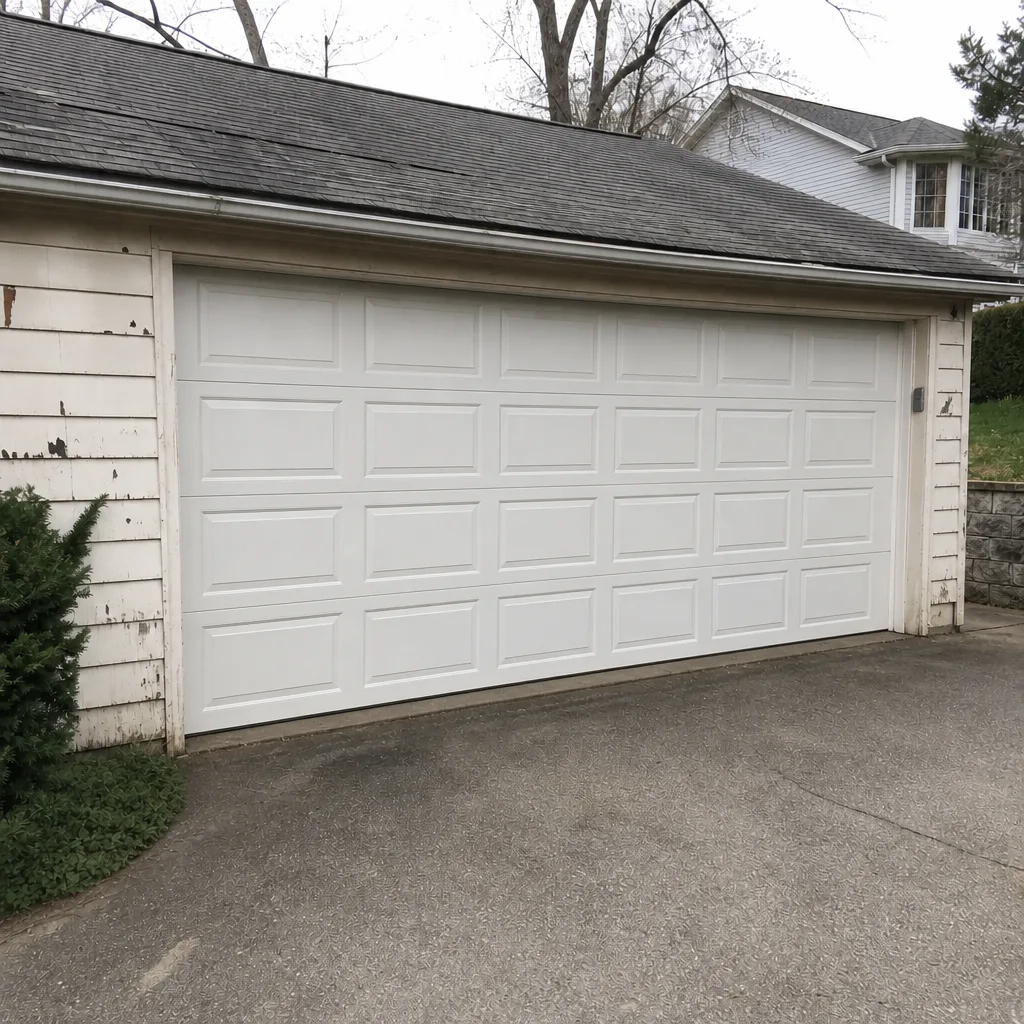 After