
Last updated November 20, 2026
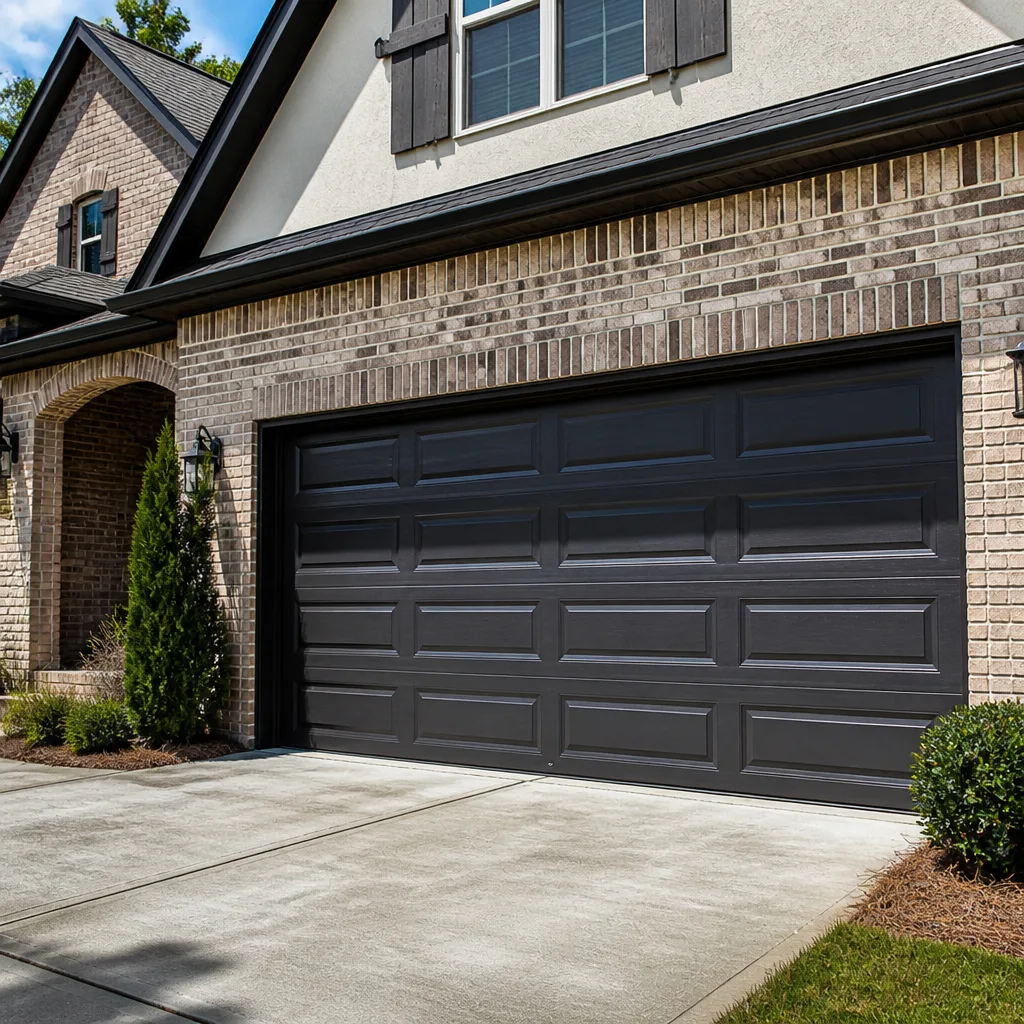 Raised-panel steel
 Carriage house
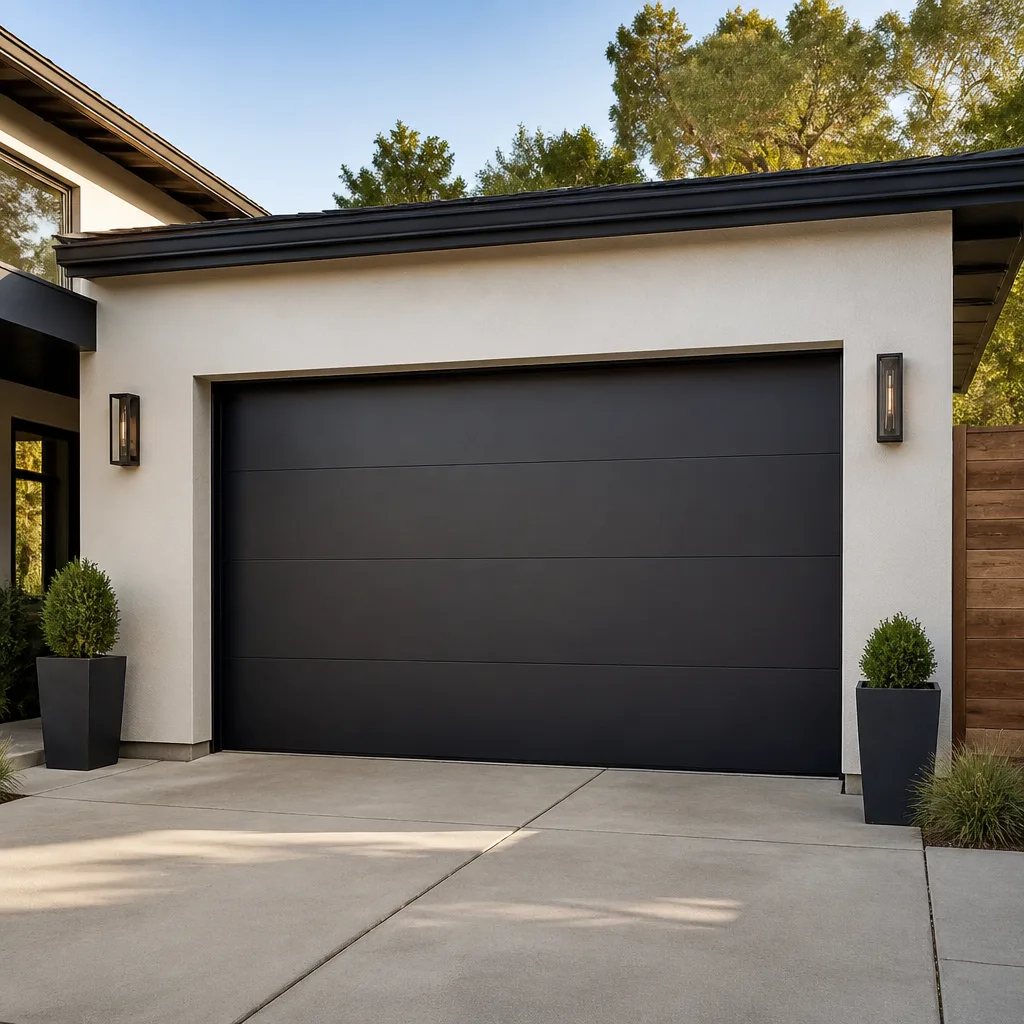 Modern flush
 Full-view glass
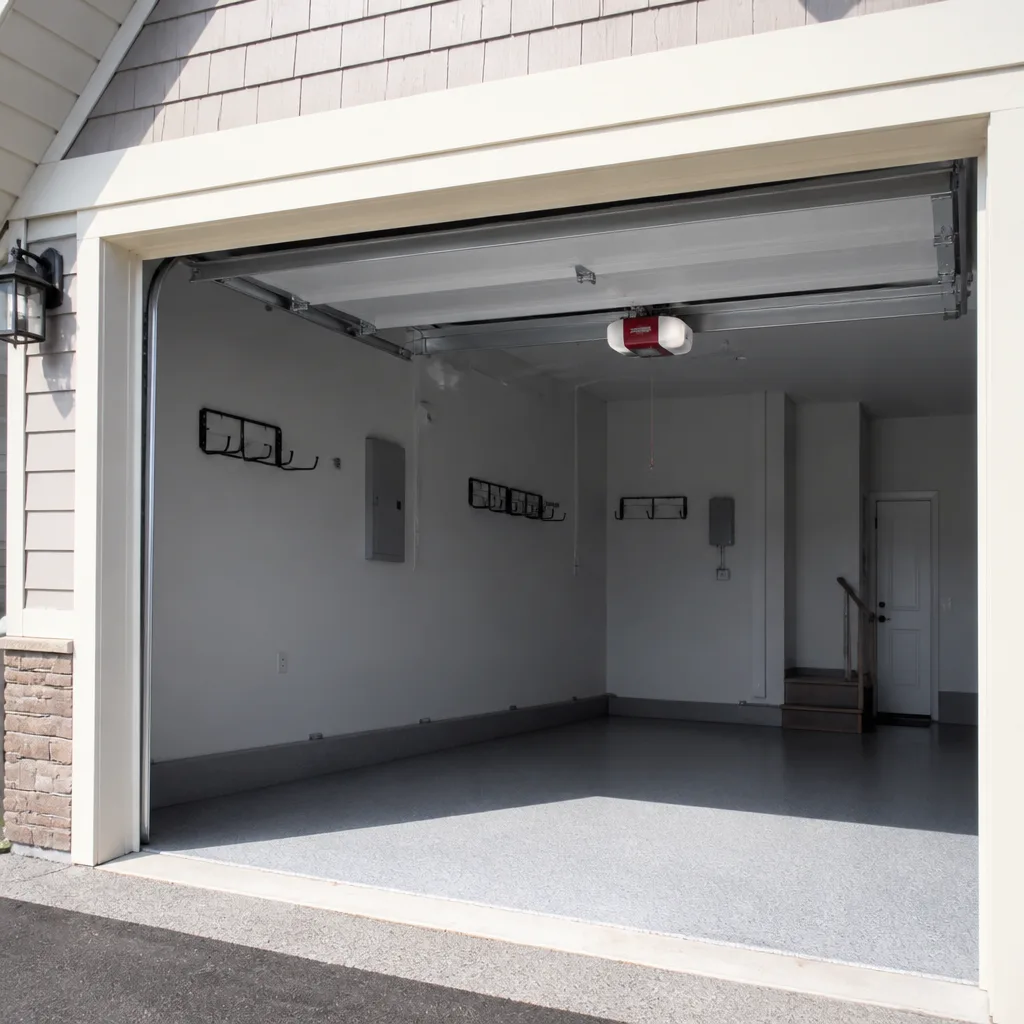 LiftMaster openers
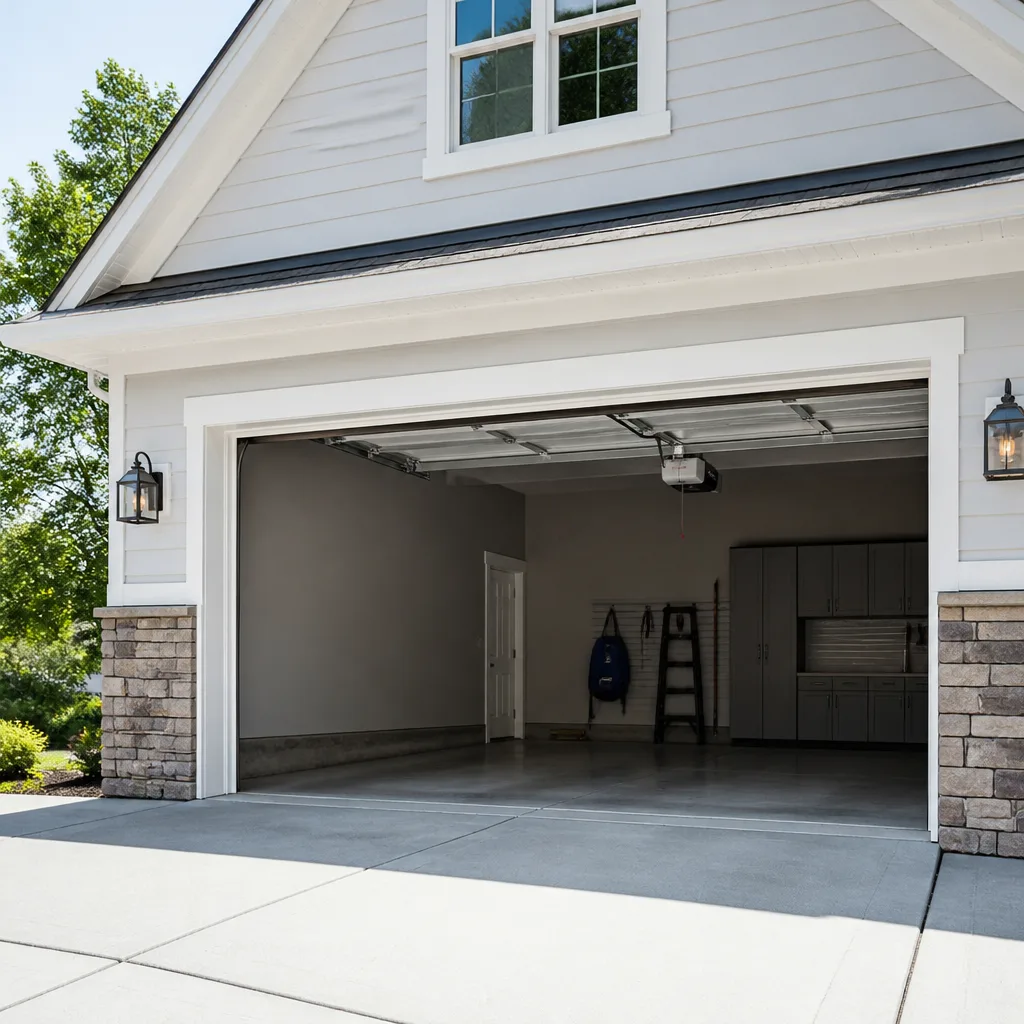 Chamberlain openers
Full 25-point door and opener safety check with every visit - springs, cables, rollers, tracks, and your LiftMaster or Chamberlain opener included
You get a price before we start. It does not change when the pro arrives.
Get your free estimateSeasonal Garage Door Care for Stamford: Year-Round Homeowner’s Guide
Most homeowners think of garage door care as one annual chore. Do the lube, tighten the bolts, forget about it until next year. But a door in Stamford doesn’t face one season’s worth of wear. It faces four, and each one stresses a different part of the system. The cold months load up the springs and cables. The thaw exposes what winter hid. Summer humidity works on wood, and heat expansion quietly messes with opener limits. This guide is organized by what actually happens to a garage door here through the year, not by a generic checklist. You’ll learn which task matters in which temperature window, what to check after a freeze, and when a problem is a real call to a professional.
Quick Answer
Garage doors in Stamford need seasonal care tied to temperature, not the calendar: spring tension adjustment and bottom-seal checks before the first hard freeze, a cable and roller inspection after the late-winter thaw, humidity control for wood doors in summer, and a full balance-and-safety test in fall. Skipping the pre-winter step is the single most common reason a torsion spring fails in February. The tasks are cheap and quick; the failures they prevent are not, and springs and cables are dangerous enough that a trained technician should handle anything beyond a visual check.
Styles & brands we work with
- Raised-panel steel
- Carriage house
- Modern flush
- Full-view glass
- LiftMaster openers
- Chamberlain openers
Table of Contents
- Why Stamford’s Four Seasons Each Break a Different Part
- Fall: Prepping Torsion Springs and Seals Before the Cold
- Winter: Road Salt, the Bottom Seal, and Track Corrosion
- Spring: The Post-Thaw Inspection Sequence
- Summer: Humidity, Wood Doors, and Opener Sensitivity
- The One-Page Stamford Seasonal Task Calendar
- What You Can Check and What You Shouldn’t Touch
- When to Call a Professional
Why Stamford’s Four Seasons Each Break a Different Part
A garage door is a balanced system under constant tension. The springs hold the weight, the cables carry it, the rollers guide it, and the opener supplies just enough force to move everything smoothly. Change the temperature and you change every one of those variables at once. That’s why the failure you get in Stamford depends entirely on the month.
Fall and early winter are about tension and contraction. As the mercury drops, steel springs and cables contract, and a torsion spring that was perfectly balanced in September can sit at the wrong tension by December. The door feels heavier, the opener strains, and the spring carries more load than it was set for.
Winter is about water and salt. Snow and ice melt off the car and pool inside the garage. Road salt comes with it. That mix attacks the bottom seal and the lower tracks first because that’s where it collects.
Spring is about what winter left behind. Freeze-thaw cycles flex cables and stress rollers, and the damage often doesn’t show until temperatures climb and everything starts moving again.
Summer is about moisture and heat expansion. Humidity swells wood door panels and wooden components, while heat expands the metal enough to throw off opener travel limits. A door that ran fine in April can start reversing for no obvious reason in July. Stamford gets all four of these patterns in a single year, which is exactly why a month-by-month task list misses the point. The temperature window is what matters.
Fall: Prepping Torsion Springs and Seals Before the Cold
The most common spring breakdown call we get comes in the dead of winter, but the cause usually traces back to a missed step in the fall. Here’s what a torsion spring does as temperatures drop below 40°F: the steel contracts, the spring loses some of its stored energy, and the door effectively gets heavier for the opener to lift. If the tension isn’t checked and adjusted for the colder range, that spring runs under a load it wasn’t set for, cycle after cycle, all winter long. That’s how a spring that “just snapped” mid-season was really being worn down since November.
Fall is also the right time to protect the seal and the opener. The tasks are simple:
- Test the balance. Disconnect the opener and lift the door halfway by hand. A properly balanced door stays put. If it drops or rises on its own, the spring tension is off and needs a technician.
- Check the bottom seal. Run a hand along the rubber weather seal at the floor. Cracks, gaps, or a seal that no longer touches the ground let cold air and meltwater in all winter. Replace a failing seal before the first hard freeze.
- Lubricate the moving parts. Metal rollers, hinges, and the torsion bar bearings take a garage-door lubricant, not a general spray. This keeps things moving when the cold thickens grease.
- Clear the tracks. Wipe out debris and check that the vertical tracks are plumb. A track that’s slightly out of line runs worse in cold weather.
- Test the opener’s safety reverse. Put a block of wood in the door’s path and confirm it reverses on contact. Cold makes limits drift.
If you’re not comfortable with a step, leave it. A professional garage door spring repair visit in fall is a small outlay against a mid-winter emergency. Our technicians have up to 10 years of experience setting and adjusting torsion springs, and we work on the brands most homes here run, including Clopay and Wayne Dalton.
Winter: Road Salt, the Bottom Seal, and Track Corrosion
Winter is the season that quietly ages your door faster than any other. The culprit is what comes in on the car: snow, slush, and road salt that melt into a puddle against the bottom seal and the lowest few inches of the steel track. Over a season of daily parking, that saltwater bath corrodes the seal’s rubber, pits the galvanized steel, and leaves a crust that grinds against the rollers. The damage shows up in spring as a stiff door, a torn seal, and rollers that no longer roll.
The fix is regular cleaning, done the right way:
- Rinse, don’t scrub hard. Flush the bottom seal and the lower tracks with plain water to carry the salt away. A stiff brush on a wet, salted track scratches the finish and speeds rust.
- Dry thoroughly. Wipe down the tracks and the bottom edge of the door after rinsing. Standing water in a cold garage freezes and jams the seal against the floor.
- Keep the door off the floor when you can. A door parked tight against a wet, salted floor sits in the corrosion zone. If your opener has travel-limit adjustments, setting the door to close fully but not compress the seal helps it dry out.
- Check the seal monthly. A cracked or stiffened seal should be replaced during winter, not left until spring. A gap at the floor lets cold air and meltwater straight into the garage.
Don’t ignore the opener in winter either. Cold grease drags on the rail and chain, and an opener that was set up in warm weather can feel sluggish. If the door moves but the opener sounds like it’s working too hard, that’s worth a look. We handle garage door opener repair across all the major platforms, including Genie and LiftMaster units.
Spring: The Post-Thaw Inspection Sequence
Spring in Stamford is where winter’s stress gets revealed. The freeze-thaw cycle flexes cables and rollers hundreds of times over a season, and the damage usually surfaces once temperatures settle and the door starts cycling normally again. Run this inspection in order, because each step tells you whether the next one matters:
- Cables first. Look at the cables running down each side of the door. Frayed strands, kinks, or a cable that’s jumped its drum are a stop sign. Don’t operate the door and don’t try to fix it yourself. A cable carries the full weight of the door under tension and can cause serious injury if it lets go.
- Rollers second. Check every roller for flat spots, cracks, or wobble. Winter cold makes nylon and steel rollers brittle, and a worn roller grinds the track and strains the opener. Worn rollers are cheap to swap and prevent bigger track damage.
- Springs third. Look for gaps in the coils or a spring that’s visibly stretched. If the door feels heavy when you lift it by hand with the opener disconnected, the spring is losing tension and needs a professional set.
- Tracks fourth. Wipe them clean and check for dents or misalignment. A track knocked out of line by winter ice or a bump is a common spring finding.
- Balance test last. With the opener disconnected, lift the door halfway. It should hold. If it drifts, the balance is off.
This is the order a trained technician follows, and the reason matters: a cable problem makes a spring problem worse, and a roller problem masquerades as an opener problem. Taking five minutes in spring to check in sequence saves you from chasing the wrong part. If you’d rather have a professional run it, our garage door repair service covers exactly this kind of post-winter inspection.
Summer: Humidity, Wood Doors, and Opener Sensitivity
Summer in Stamford brings two things that garage doors don’t love: humidity and heat expansion. If your door is wood or has wooden components like panels and trim, humidity is the bigger threat. Wood absorbs moisture from the air and swells, which can bind panels against each other, bow sections, and pull joints apart. Once summer ends and the air dries, the wood shrinks back and the joints loosen. Left alone across a few seasons, that swelling-and-shrinking cycle is what splits panels and cracks paint.
The summer tasks:
- Keep wood sealed. A fresh coat of paint or stain on wood doors and trim before humid weather blocks most moisture uptake. Touch up bare spots as they appear.
- Ventilate the garage. If your garage has vents or a window, use them. Moving air dries the space and keeps humidity off the wood and the tracks.
- Watch for swelling. A wood panel that rubs or binds against a track in July is telling you it’s taken on moisture. Don’t force the door; adjust or call.
- Recheck opener limits. Heat expands the door and the track slightly. A limit set in spring may need a small adjustment in summer so the door closes fully without straining. An opener that reverses for no reason in the heat is usually just an out-of-date limit, but have it tested properly.
- Confirm the safety reverse again. One test in summer and one in fall catches drift before it becomes a hazard.
Amarr and Clopay both build wood-look and wood-construction doors common on homes here, and the same humidity rules apply: keep the surface sealed and watch for binding. If the door starts reversing, straining, or dragging in the heat, it’s worth a look before it becomes a stuck door.
The One-Page Stamford Seasonal Task Calendar
Calendar months are a poor guide here, because the temperature windows shift year to year. What’s stable is the sequence. Use this trigger-based calendar and you’ll do each task at the right point in the year:
When temps first drop below 40°F (typically late fall)
- Spring tension check and any adjustment
- Bottom-seal inspection and replacement if failing
- Lubricate rollers, hinges, and torsion bar
- Full opener safety-reverse test
Through the cold months (roughly December into March)
- Rinse salt and slush from the bottom seal and lower tracks monthly
- Dry tracks after rinsing
- Check the seal for cracks and gaps
- Listen for a straining opener and note any change
When the freeze-thaw cycle ends (typically after the last hard freeze)
- Cable inspection for fraying and kinks
- Roller inspection for flat spots and wobble
- Track check and cleaning
- Balance test with the opener disconnected
When humidity climbs (typically late spring into summer)
- Seal or stain wood doors and trim
- Ventilate the garage
- Watch for wood binding
- Recheck opener limits for heat expansion
When temps drop again (the fall repeat)
- Replace any seal that wore through summer
- Run the full fall sequence above
- Book any repair before the cold sets it in stone
That’s the whole year. Four transition points, driven by temperature, not by a date. Print it and stick it inside the garage door frame. Door installation and full replacement follow a different timeline, since the work gets measured, ordered, and scheduled rather than squeezed into a season window.
What You Can Check and What You Shouldn’t Touch
We’d rather you check your door monthly than never touch it, but there’s a hard line between inspecting and repairing. The tension assembly at the top of the door is under enough force to cause serious injury, and a torsion spring or cable that lets go can strike anyone standing nearby. That’s not a warning to scare you off inspecting. It’s a reason to know exactly where the line is.
What a homeowner can safely do:
- Visually inspect springs, cables, rollers, tracks, and the seal
- Clean the tracks and rinse salt and slush off
- Lubricate rollers, hinges, and the torsion bar bearings
What should wait for a trained technician:
- Adjusting or replacing torsion springs
- Replacing or re-seating cables
- Any repair that involves loosening the tension on the system
Springs and cables are the most dangerous and commonly botched DIY repairs in this trade. A trained technician has the winding bars, the tools, and the safety protocol to do the job without putting you in harm’s way. If a spring is visibly broken or the door won’t lift, do not force it and don’t ask a neighbor to help. Call a professional.
Common Mistakes to Avoid
- Waiting until the spring snaps to check the tension. A fall tension check is cheap and takes minutes. Replacing a snapped spring in the cold, when the door is stuck open or closed, costs more in time and trouble.
- Springing for “lubricant” at the hardware store. A garage-door lubricant belongs on the rollers and hinges. Grease and general-purpose sprays thicken in cold weather and gum up the system.
- Ignoring salt buildup under the door. The puddle at the floor is the fastest corrosion site on the whole door. Rinsing it out monthly prevents a seal replacement.
- Adjusting torsion springs yourself. This is the most common serious-injury DIY repair. The system is under extreme tension and needs the right tools and training.
- Skipping the post-thaw inspection. Winter stress often doesn’t show until spring, and a frayed cable left alone becomes a much bigger problem.
- Forgetting that heat changes opener limits. A door reversing in summer is usually a limit adjustment, not a broken opener. Getting it tested beats guessing.
- Letting wood go unsealed through humid months. Swelling and drying cycle after cycle is what splits panels and loosens joints.
See the difference
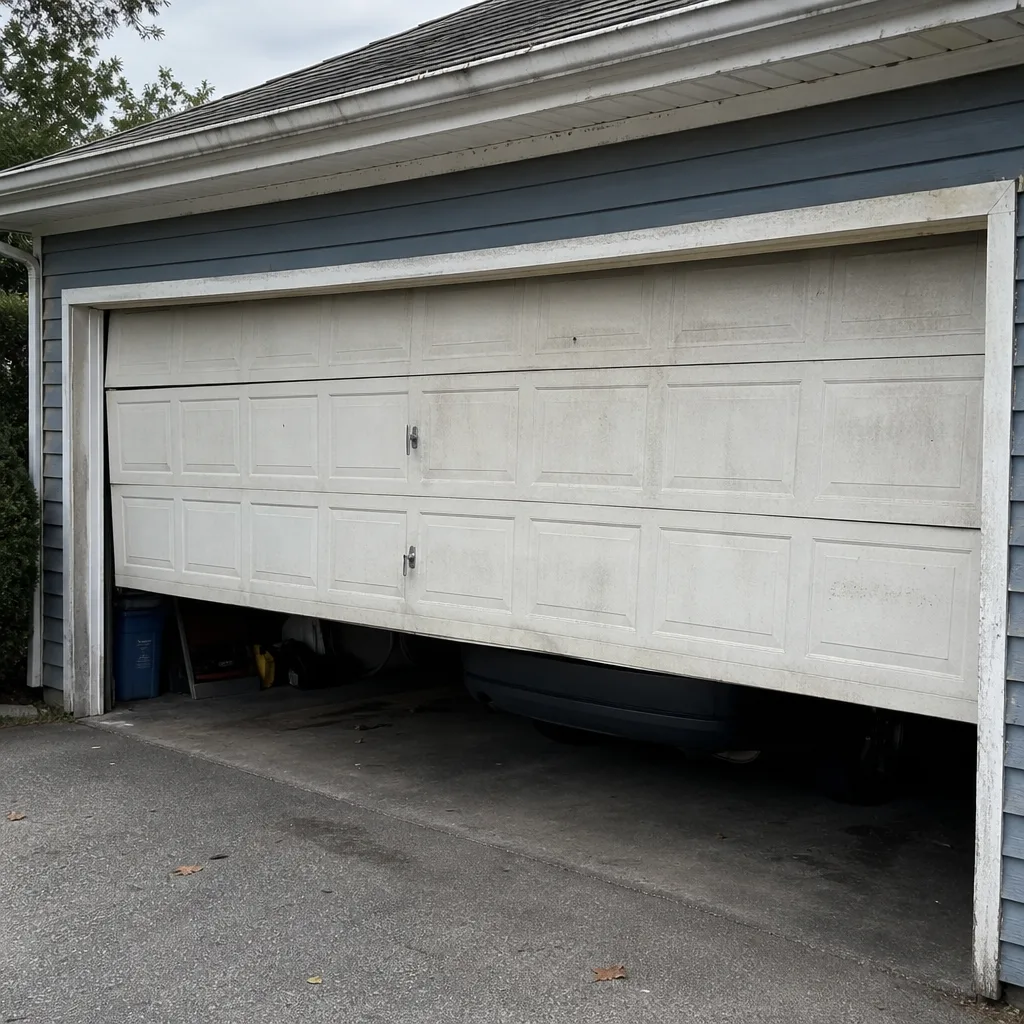 Before
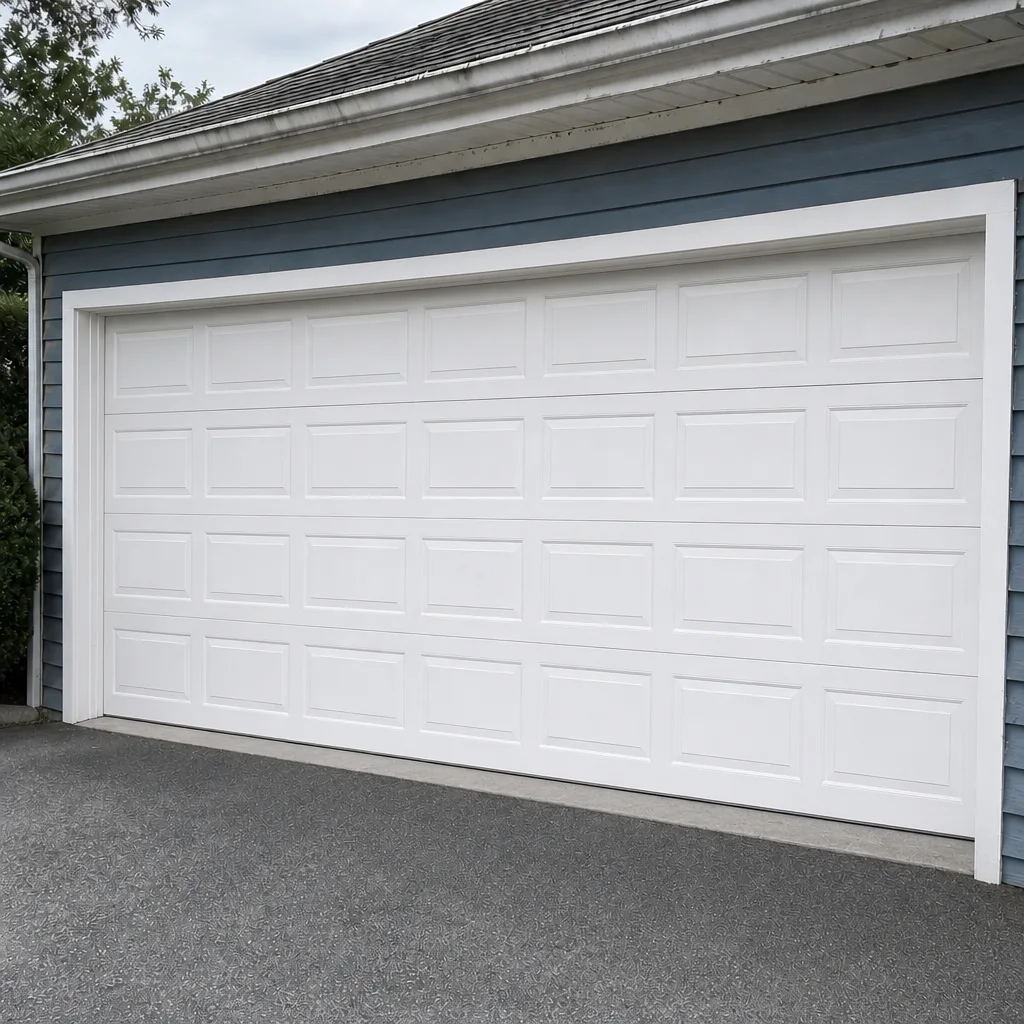 After
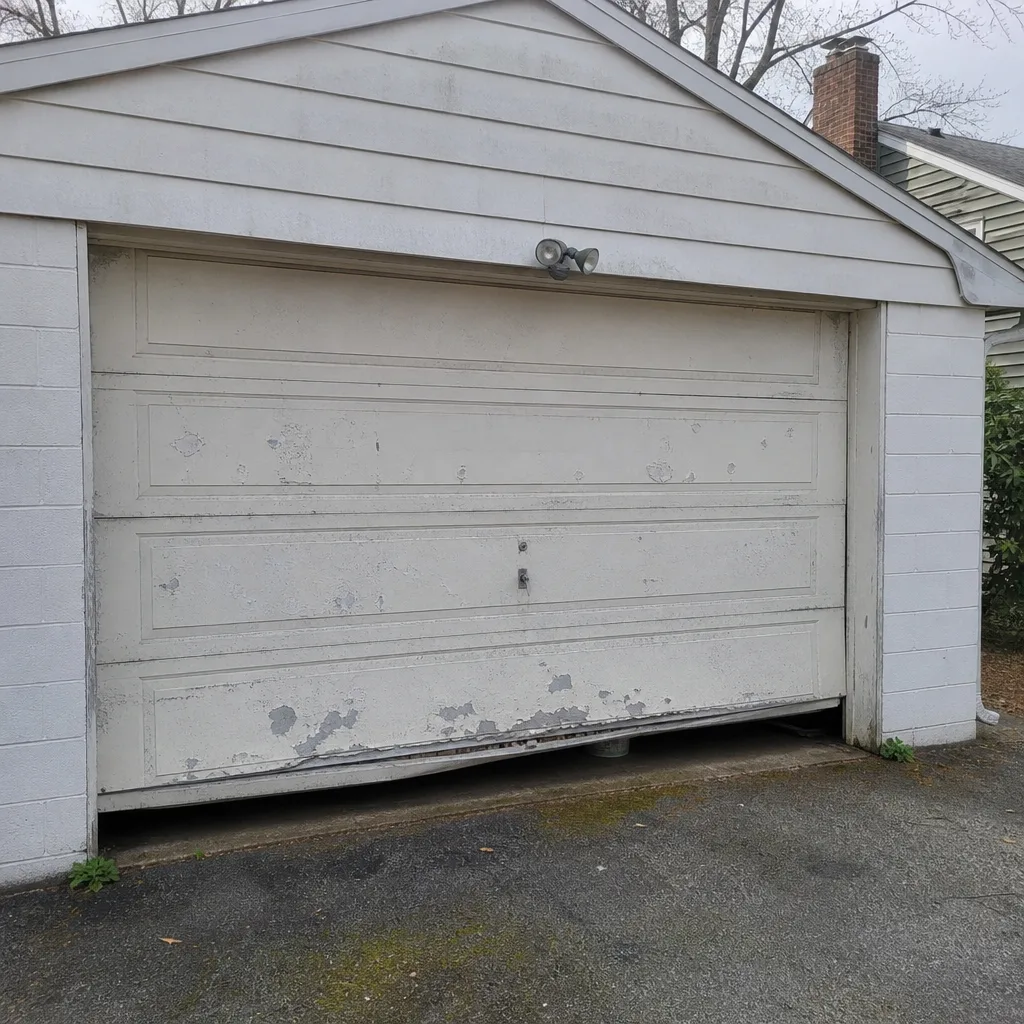 Before
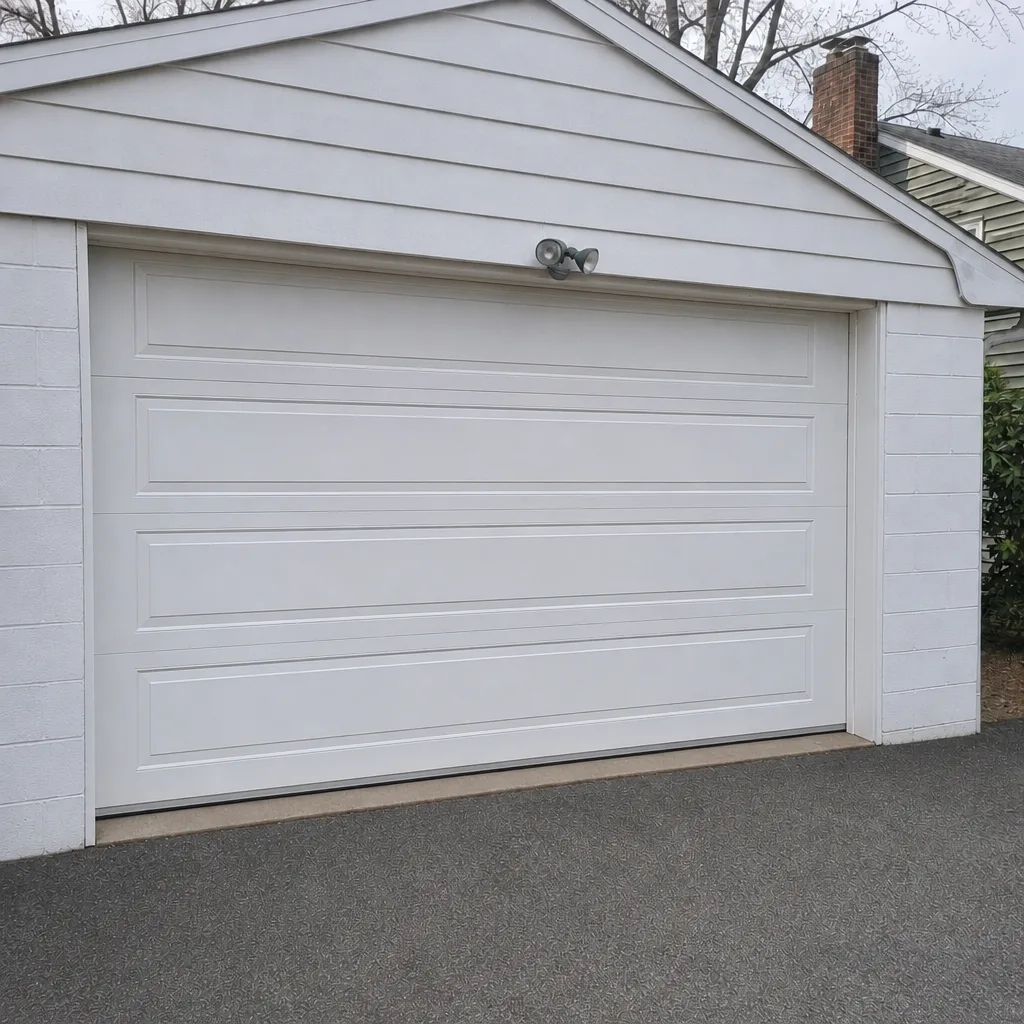 After
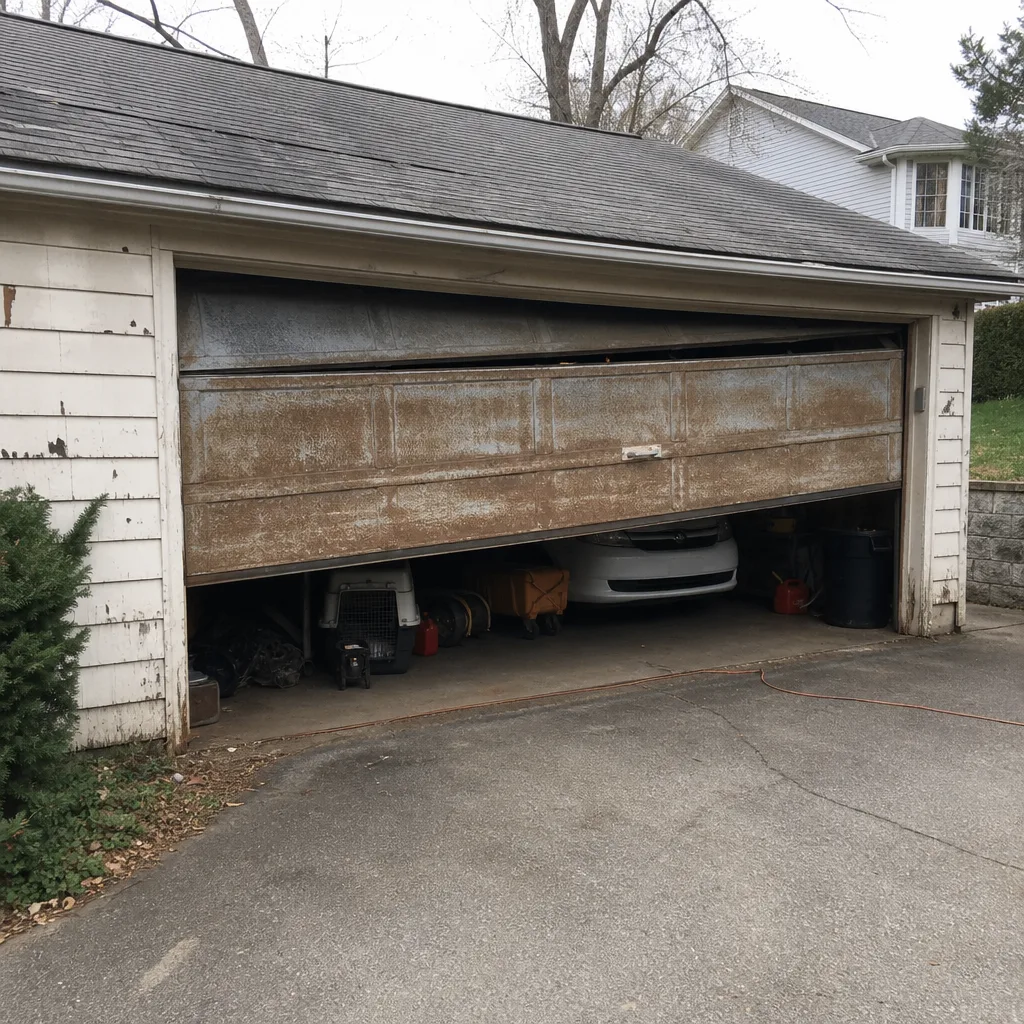 Before
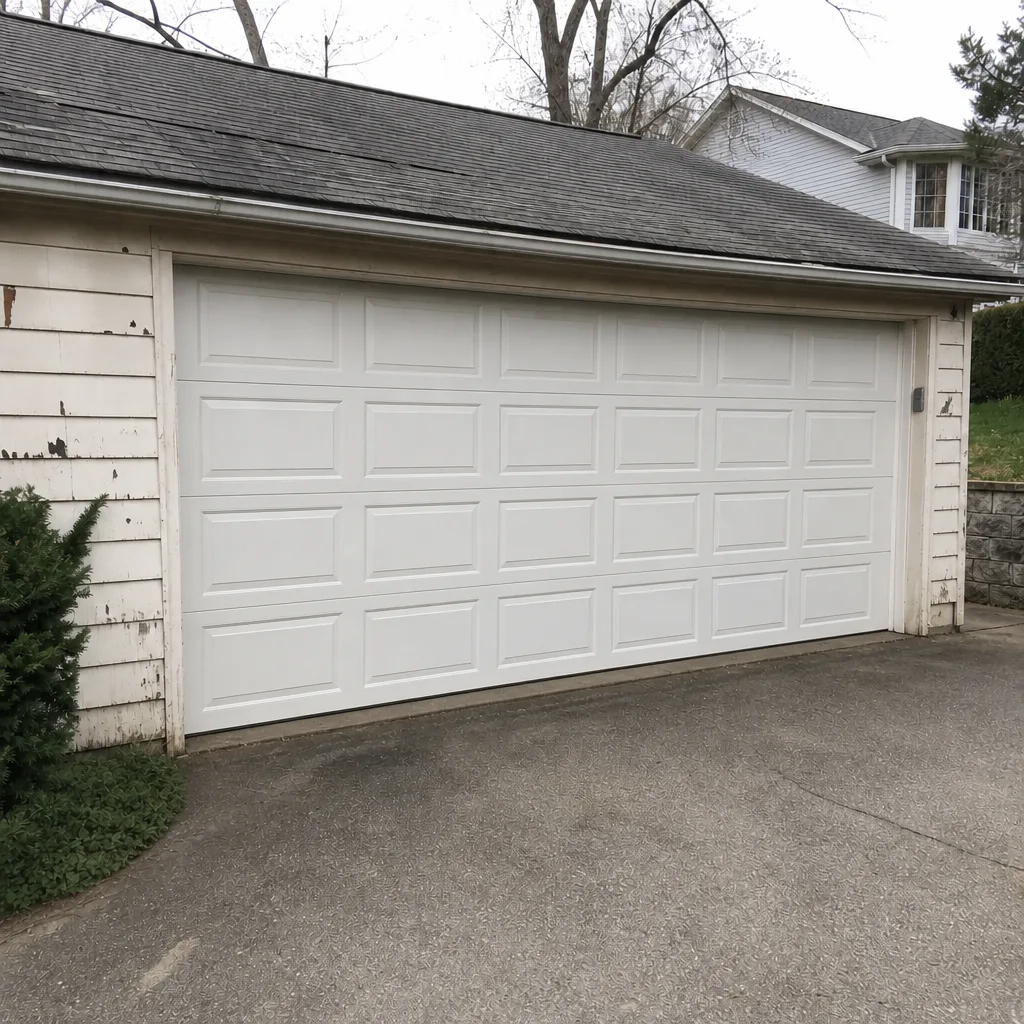 After
When to Call a Professional
You should call a professional when a spring is broken or visibly stretched, a cable is frayed or off its drum, the door won’t lift by hand, or the opener reverses for no reason. Call immediately if the door is stuck open, since an open garage is a security gap. For anything in the tension system, don’t try it yourself. We offer free estimates in Stamford, and our technicians have up to 10 years of experience setting springs, replacing cables, and fixing openers across the major brands. Call (855) 658-4183. We answer 24/7. Fast dispatch from 7am to 7pm, Sunday through Friday. The price is quoted and agreed before any work starts, so you’ll know the number before we touch the door.
Frequently Asked Questions
Once in fall, before the first hard freeze, and a visual inspection once in spring after the thaw. Coastal-free Stamford weather still brings freeze-thaw cycles, salt from road slush, and humid summers, so a fall service and a spring inspection cover the year. If your door is wood and shows binding, add a summer check.
Because the spring tension wasn’t adjusted as temperatures dropped. Cold contracts the steel, the door effectively gets heavier, and a spring set for warm weather runs overloaded all winter until it breaks. It isn’t a winter-caused break; it’s a fall-caused one with a winter reveal. A fall tension check prevents it. Call (855) 658-4183 for a spring check before the cold sets in.
Yes. Rinse the bottom seal and lower tracks with plain water and dry them. Salt is the main corrosion driver in winter, and a monthly rinse does most of the work. Keep a stiff brush off wet, salted tracks, because it scratches the finish and speeds rust.
It can be, and it’s worth treating as one. An open garage is a security gap and a risk if the door is unsupported. Call a professional immediately rather than forcing the door. We handle garage door emergency service as a genuine offering, not a slogan. Call (855) 658-4183. We answer 24/7. Fast dispatch from 7am to 7pm, Sunday through Friday.
It depends on the job, and the written estimate sets the price. A rebuilt or replaced spring, a cable, rollers, an opener adjustment, or a seal replacement all price differently. The estimate is free and quoted before work starts, so you’ll know the number up front. Call (855) 658-4183 for an exact quote.
The local professional we connect you with is licensed and insured as the state requires. Our technicians are experienced with all the major brands, including LiftMaster, Chamberlain, Genie, Clopay, Amarr, Wayne Dalton, Craftsman, and Raynor. If you have a question about credentials, ask when you call.
Yes, especially on wood doors and wood components. Humidity swells wood panels, which can bind against the tracks, and heat expansion can throw off opener travel limits. Keeping wood sealed and the garage ventilated prevents most of it.
What’s the best way to keep my door working year-round?
Follow the temperature-triggered calendar: spring tension check before the freeze, monthly salt rinse in winter, cable and roller inspection after the thaw, and humidity control and opener limits in summer. Do that and you’ve covered the failures that actually happen here. And when a spring or cable fails or looks dangerous, call a professional rather than handling it yourself.
The Bottom Line
Seasonal care for a garage door in Stamford isn’t a generic annual checklist. It’s a set of tasks timed to temperature windows that each protect a different part of the system: spring tension and seals before the cold, salt cleanup through winter, a cable and roller inspection after the thaw, and humidity and opener-limit checks in summer. The tasks are small. The failures they prevent are what cost time and money. Handle the inspections and cleaning yourself, leave the springs and cables to a trained technician, and when something doesn’t look right, get it looked at before the next season makes it worse. That’s the whole year, and it’s what keeps a door running for the long haul.
Ready for a free estimate? Call Garage Door Repair Stamford Pros at (855) 658-4183. We answer 24/7. Fast dispatch from 7am to 7pm, Sunday through Friday, and every price is quoted before work starts. Explore our Garage Door Repair Stamford Pros for the full service list and book a seasonal check today.
Written by the team at Garage Door Repair Stamford Pros.